
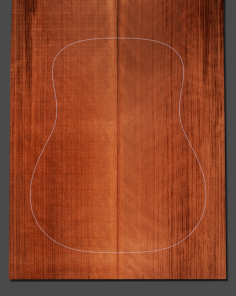
Understanding Guitar Soundboard Thickness to Enhance Your Instrument’s Voice
Achieving the ideal guitar soundboard thickness is essential for shaping resonance, projection, and tonal balance. When crafted with precision, the top responds more dynamically to a player’s touch, allowing the instrument to deliver a fuller, more expressive voice. Thickness affects how the soundboard vibrates, so experienced builders work carefully to find the perfect equilibrium between strength and flexibility. This careful shaping helps ensure that each guitar performs consistently, whether used in recording spaces, live settings, or personal practice.
Advancements in materials offer new ways to achieve tonal consistency, especially with thermally modified guitar soundboards. Through a controlled heat process, these soundboards become more resilient to humidity while retaining vibrant acoustic qualities. The modification enhances stability and produces a more seasoned tonal response, making them a strong choice for builders aiming for clear articulation and long-term reliability. When paired with carefully adjusted thickness, thermally modified tops can deliver enhanced clarity, warmth, and smooth projection.
Distinctive options such as redwood mottled guitar soundboards bring unique beauty and tone to custom builds. Redwood offers a sensitive, warm response that appeals to fingerstyle and detail-oriented players. Its mottled grain adds visual depth while maintaining structural integrity. Skilled luthiers often tailor the thickness of redwood tops to maximize sustain and harmonic richness, taking advantage of the wood’s natural softness and responsiveness. This approach allows the instrument to showcase both visual character and an expressive tonal landscape.
Many builders also embrace traditional materials such as Sitka spruce soundboards and Lutz guitar soundboards for their exceptional versatility. Sitka is known for its strong attack and broad dynamic range, while Lutz offers an energetic blend of stiffness and responsiveness. Adjusting thickness in these soundboards helps refine tonal output, giving makers control over brightness, warmth, and projection. With the right preparation, these woods support guitars that perform across genres, delivering the dependable tonal personality that musicians appreciate in both professional and personal settings.
