The Role of Liquid Cooling Loops in Energy-Efficient Data Centers

As data centers continue to expand, energy efficiency has become a higher priority. Traditional air cooling is often challenged by high-density computing environments. As a result, liquid cooling technologies are being adopted to improve thermal performance while reducing overall power consumption.

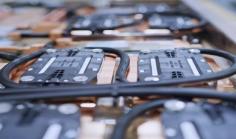
A well-designed coldplate loop assembly helps transfer heat directly from processors to a circulating coolant. This targeted approach improves cooling efficiency and reduces the workload placed on conventional cooling infrastructure. More stable operating temperatures can also be maintained across demanding applications.

Modern coldplate loops are designed to support high-performance computing, artificial intelligence, and cloud environments. Heat is removed closer to the source, allowing servers to operate more efficiently. Better thermal management can also contribute to improved hardware reliability and longer equipment life.

Many organizations are also investing in custom coldplate loops to address unique rack layouts and workload requirements. Customized solutions can be developed to meet specific cooling requirements, thereby making system integration more effective. This flexibility supports both current and future infrastructure needs.

Industry leaders such as CoolIT Systems have helped advance liquid cooling technologies through continuous innovation. Their solutions are widely recognized for supporting energy-efficient data center operations while meeting the performance requirements of modern computing environments.

As sustainability goals become more important, liquid cooling is expected to play an even greater role in data center design. Find our location and see how next-generation cooling can power your future.

The Role of Liquid Cooling Loops in Energy-Efficient Data Centers

As data centers continue to expand, energy efficiency has become a higher priority. Traditional air cooling is often challenged by high-density computing environments. As a result, liquid cooling technologies are being adopted to improve thermal performance while reducing overall power consumption.

A well-designed coldplate loop assembly helps transfer heat directly from processors to a circulating coolant. This targeted approach improves cooling efficiency and reduces the workload placed on conventional cooling infrastructure. More stable operating temperatures can also be maintained across demanding applications.

Modern coldplate loops are designed to support high-performance computing, artificial intelligence, and cloud environments. Heat is removed closer to the source, allowing servers to operate more efficiently. Better thermal management can also contribute to improved hardware reliability and longer equipment life.

Many organizations are also investing in custom coldplate loops to address unique rack layouts and workload requirements. Customized solutions can be developed to meet specific cooling requirements, thereby making system integration more effective. This flexibility supports both current and future infrastructure needs.

Industry leaders such as CoolIT Systems have helped advance liquid cooling technologies through continuous innovation. Their solutions are widely recognized for supporting energy-efficient data center operations while meeting the performance requirements of modern computing environments.

As sustainability goals become more important, liquid cooling is expected to play an even greater role in data center design. Find our location and see how next-generation cooling can power your future.

Scroll to Top