
A Homeowner’s Checklist for hot tub installation
Careful preparation is essential when adding a hot tub to a residential property. Before arranging hot tub installations, homeowners should confirm the unit’s dimensions, filled weight, power requirements, delivery access, and proposed placement. Early planning helps create an organized and efficient installation process.
The selected location should have a level foundation designed to support the combined weight of the hot tub, water, and occupants. Homeowners should also evaluate privacy, drainage, lighting, overhead clearance, and safe access from the house. Pro West Electrical can assess the property’s electrical capacity and identify the requirements for the chosen model.
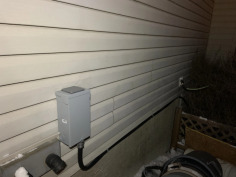
A hot tub installation may require a dedicated electrical circuit, GFCI protection, properly rated wiring, and an accessible disconnect. The electrical setup should follow the manufacturer’s specifications and applicable safety codes. A qualified electrician can verify these requirements before the hot tub is filled or activated.
Climate conditions are another important planning factor. For hot tub installation in Edmonton, the site should remain accessible during snow and freezing temperatures. Owners should consider wind exposure, snow accumulation, drainage, and a safe walking route that can be maintained throughout the winter.
Before confirming hot tub installations, homeowners should review local permit and inspection requirements. They should also keep the product manual, electrical specifications, site measurements, and delivery information available. This documentation helps everyone involved coordinate the project accurately.
Homeowners planning a hot tub project can use Google Maps to view the service location and find the most convenient route.
